The Allure of Chance and Uncertainty
Casino games are built around the thrilling concept of chance, which taps into a fundamental aspect of human psychology: the excitement of uncertainty. When players engage in games like slots, roulette, or poker, they experience a rush fueled by the unpredictability of outcomes. This uncertainty creates a powerful emotional response, drawing players in and enticing them to return for the next opportunity to win big. Many gamblers also find themselves attracted to online casinos that offer unique experiences beyond traditional venues.

The excitement of not knowing whether a spin or a card will lead to victory engages the brain’s reward system. When players win, their brains release dopamine, the neurotransmitter associated with pleasure and reward. This chemical reaction reinforces the behavior, prompting players to chase that high again, making them likely to return to the casino in hopes of repeating their success.
The Role of Visual and Auditory Stimuli
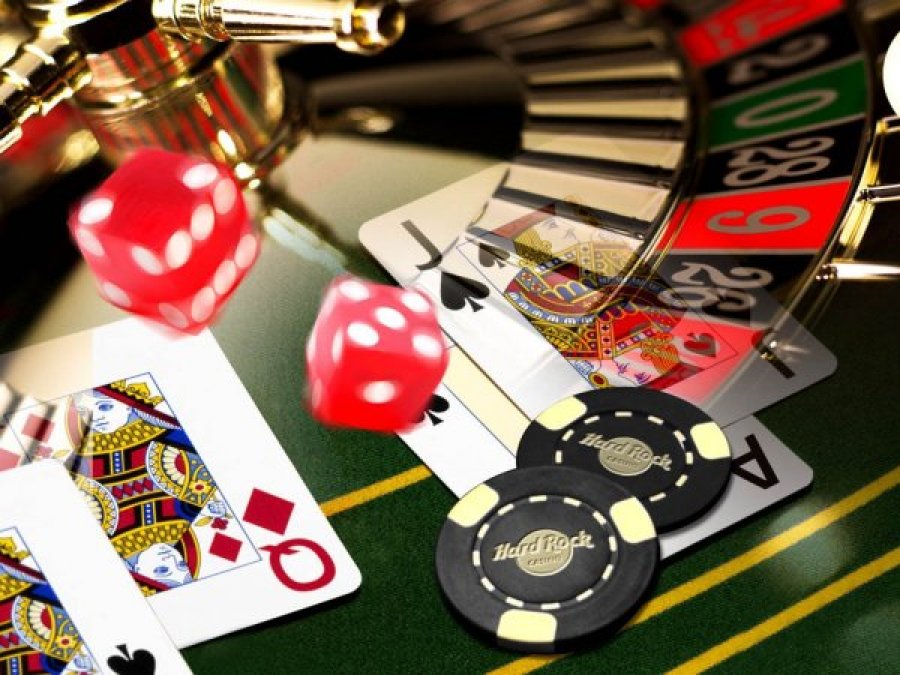
Casino games are designed with vibrant colors, flashing lights, and engaging sounds that create an immersive environment. These sensory experiences are intentionally crafted to capture players’ attention and keep them engaged. The visual appeal of games, combined with the auditory cues of wins and losses, enhances the overall gaming experience, making it more enjoyable and addictive.
Research in psychology shows that environments rich in sensory stimulation can lead to increased arousal and excitement, which can be particularly appealing in a casino setting. Players are often drawn to the atmosphere of the casino, where sights and sounds combine to create an exhilarating experience that keeps them coming back for more.
The Social Aspect of Gambling
Casino games often serve as a social activity, allowing players to interact with others, share experiences, and build connections. The social dynamics of gambling can foster a sense of community, where individuals feel a shared connection with fellow players. This social interaction can be motivating, encouraging people to return not only for the games but also for the companionship and camaraderie offered within the casino environment.
Moreover, the competition among players can heighten the thrill of the game. When players engage in poker or even casual games with others, they experience a mix of personal and social stakes, which can significantly enhance their emotional investment. This blend of competition and social interaction keeps players returning to the tables and machines.
The Concept of Loss Aversion
The psychology of gambling is also influenced by a concept known as loss aversion, where individuals prefer to avoid losses rather than acquiring equivalent gains. In gambling, the fear of losing money can compel players to keep playing in hopes of recouping their losses. This tendency often leads individuals to return to the casino, convinced that the next game might turn their luck around.
This psychological phenomenon can create a cycle of behavior where players chase their losses, contributing to continued participation in casino games despite negative experiences. Understanding this psychological draw can provide insight into why individuals find it challenging to walk away, further solidifying the hold that casino games have on them.
Guidance and Resources for Responsible Gambling
This website aims to offer essential information and services to help individuals navigate their casino experiences safely and responsibly. By providing insights into the psychological aspects of gambling, it seeks to enhance awareness about the potential challenges while promoting a safe gaming environment.
Visitors can find valuable resources and support aimed at fostering responsible gambling practices. Whether you are seeking strategies to manage your gaming habits or looking for information on recognizing the signs of problem gambling, this website is dedicated to ensuring a secure and informed experience for all players.